 how-to
How to Verify Apartment Maintenance Responsiveness
Table of Contents
- Why Maintenance Responsiveness Matters Before You Sign
- Questions to Ask Before Signing an Apartment Lease About Repairs
- What Apartment Maintenance Response Time Should You Expect?
- How to Run a Test Request and Measure Responsiveness
- Use an Apartment Maintenance Request Template to Document Everything
- How to Follow Up on a Maintenance Request Without Burning Bridges
- Verifying Repair Quality and Independent Evidence After the Fix
- Frequently Asked Questions
Last Updated: October 18, 2026
Why Maintenance Responsiveness Matters Before You Sign
Apartment maintenance responsiveness is the speed and reliability with which a property's maintenance team acknowledges, schedules, and completes repair requests.
Here's the core tension: leasing offices are optimized to close leases. Maintenance teams are optimized to clear work orders.
So how do you spot that gap before you're locked into a twelve-month lease? You ask questions, you look for written standards, and you test the system.
Questions to Ask Before Signing an Apartment Lease About Repairs
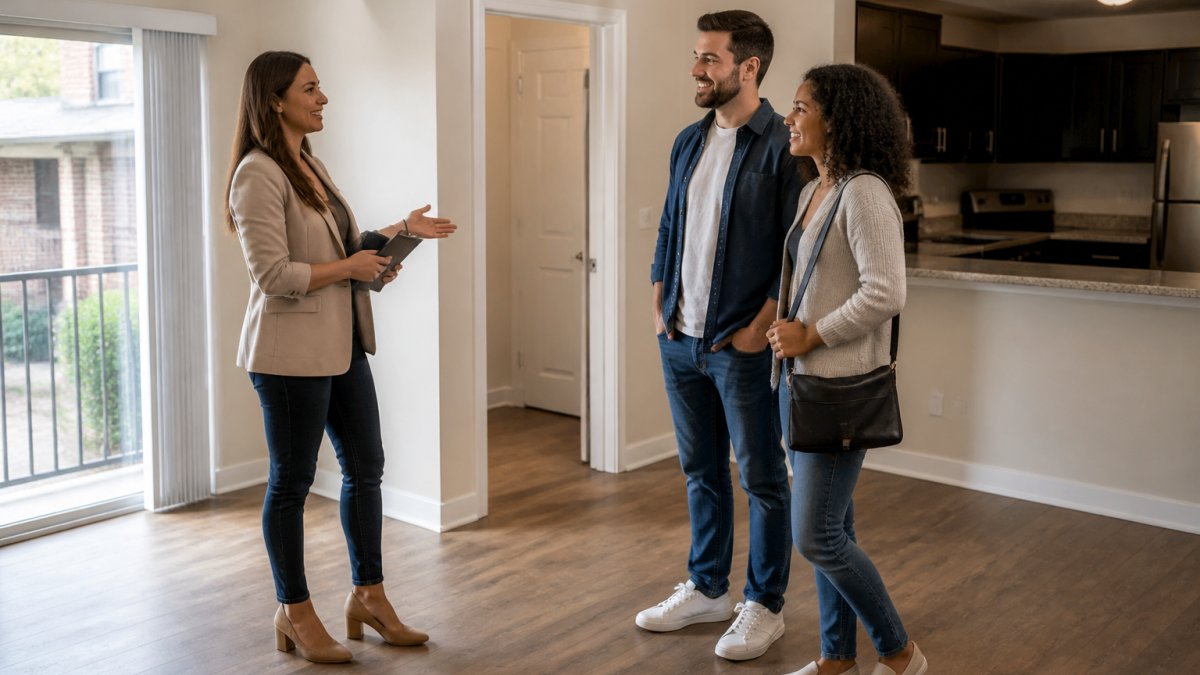
The fastest way to verify responsiveness is to ask direct questions during the tour, then corroborate the answers instead of accepting them.
Ask these before you sign anything:
- How do I submit a request: online portal, email, phone, or all three?
- Do I get a written acknowledgment, and how quickly?
- What's the target response time for routine repairs, and is it written into the lease or a resident handbook?
- Who handles emergency repairs after hours, and what's the number?
- Will I get a completion confirmation when the work is done?
- Can I see a sample work order record, with the resident's personal information redacted?
- How many open work orders does the property have right now, and what's the oldest?
That last pair is where most tours fall apart. A property that tracks requests in a portal can pull those numbers in minutes. One that handles repairs informally will change the subject, and that deflection is your answer.
Corroborate Every Answer With a Second Source
Do not stop at the leasing office. Verify each claim against at least one independent source:
- Ask for the written policy. Request the resident handbook section on maintenance, the portal vendor name, and the after-hours call flow. If the policy exists, it can be shared before you sign.
- Talk to a current resident. Ask someone in the laundry room or lobby how long their last repair took and whether they got a written acknowledgment. One conversation is worth ten promises.
- Check public review patterns. Look for repeated mentions of slow repairs, unanswered portal requests, or after-hours voicemail in reviews dated within the last year. A single bad review is noise; a pattern across months is signal.
- Ask to see the request form itself. Have the agent open the resident portal on their device and walk you through submission, status tracking, and completion confirmation. If they can't show the form or a sample work order, the system likely doesn't exist in any meaningful way.
- Confirm who owns the work order. Ask whether maintenance is in-house or contracted, and who dispatches after-hours calls. A third-party dispatcher with no on-site technician changes the response clock.
For context on what lease terms and disclosure rules generally look like, the HUD guide to tenant rights and responsibilities is a reasonable starting reference. Requirements vary by state and lease, so confirm the specifics for your situation.
What Apartment Maintenance Response Time Should You Expect?
There's no single universal standard, but there is a measurable framework. Split response time into four separate indicators, because a property can be fast at one and slow at another:
- Time to acknowledge: how long until you get a written confirmation that the request was received.
- Time to schedule: how long until a visit is booked with a date and window.
- Time to resolve: how long until the repair is complete and confirmed in writing.
- Completion rate within target: the share of requests closed inside the property's own stated window.
Many property managers aim to acknowledge a request within one business day and schedule routine repairs within a few days. Emergency repairs, like a burst pipe or no heat in winter, should get same-day attention. Ask each property to state its own targets in writing, then hold them to what they wrote. A target that lives only in a verbal answer is not a target; it's a hope.
Emergency, Urgent, and Routine: Three Different Clocks
Treat these as three separate service standards, because they run on three different clocks:
| Request Type | Example | Expected Handling |
|---|---|---|
| Emergency | No heat, active leak, lock failure | Same-day response, often within hours |
| Urgent | Broken appliance, slow drain, no hot water | Acknowledged within a day, fixed within days |
| Routine | Dripping faucet, cosmetic damage, squeaky door | Scheduled within a week or so |
The mistake renters make is lumping everything together. A dripping faucet and a flooded bathroom are not the same problem, and a property that treats them identically is either overpromising or underdelivering.
Legal Obligations vs. Voluntary Service Targets
Separate what the law requires from what the property promises. Habitability rules generally require landlords to maintain heat, water, plumbing, and structural safety, but the specific repair deadlines and remedies are set by state and local law, not by the leasing brochure.
That distinction matters when a repair drags out. The HUD guide to tenant rights and responsibilities is a reasonable starting reference, and your state or local housing agency will have the specific deadlines.
Score Each Property on the Same Four Numbers
When you compare two or three properties, put their stated targets side by side and score them the same way:
- Acknowledgment target: ____ hours
- Scheduling target: ____ days
- Resolution target: ____ days
- Stated completion rate within target: ____%
A property that publishes all four numbers is telling you it measures them. A property that can't produce any of them is telling you something too. Most practitioners find that the properties with the clearest written targets are also the ones that hit them, because the targets exist to be managed against.
How to Run a Test Request and Measure Responsiveness
You can measure responsiveness before you commit by submitting one small, low-stakes request and tracking it. This is the test that separates promises from practice.
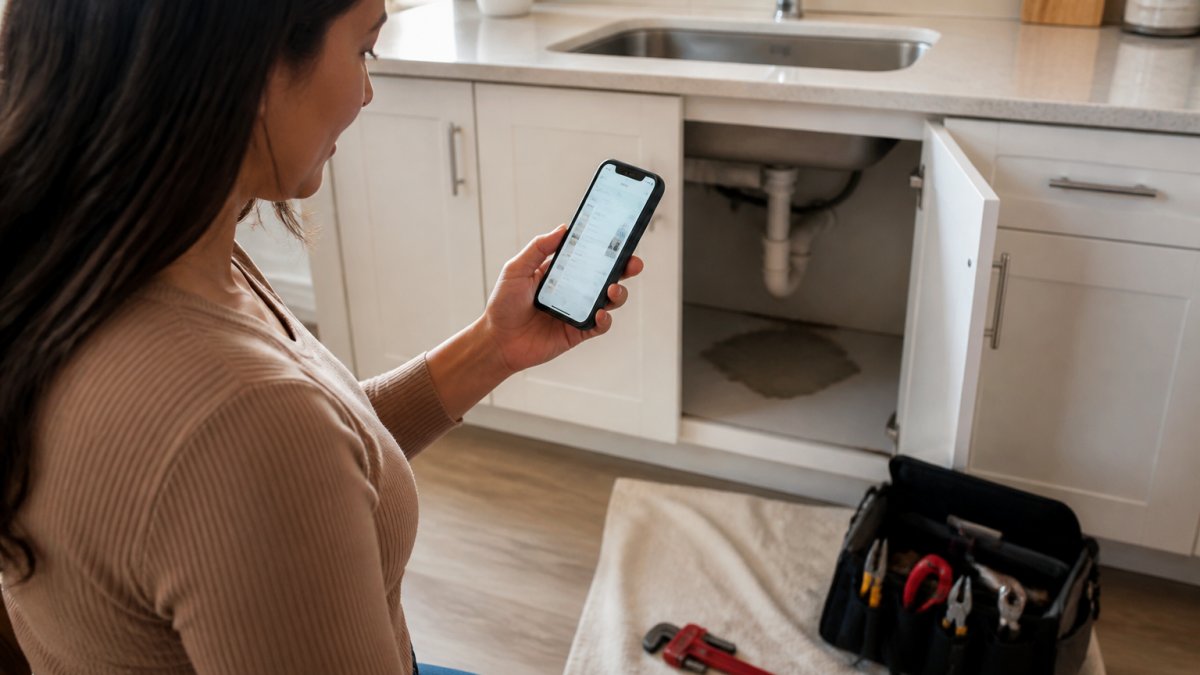
Here's how to do it:
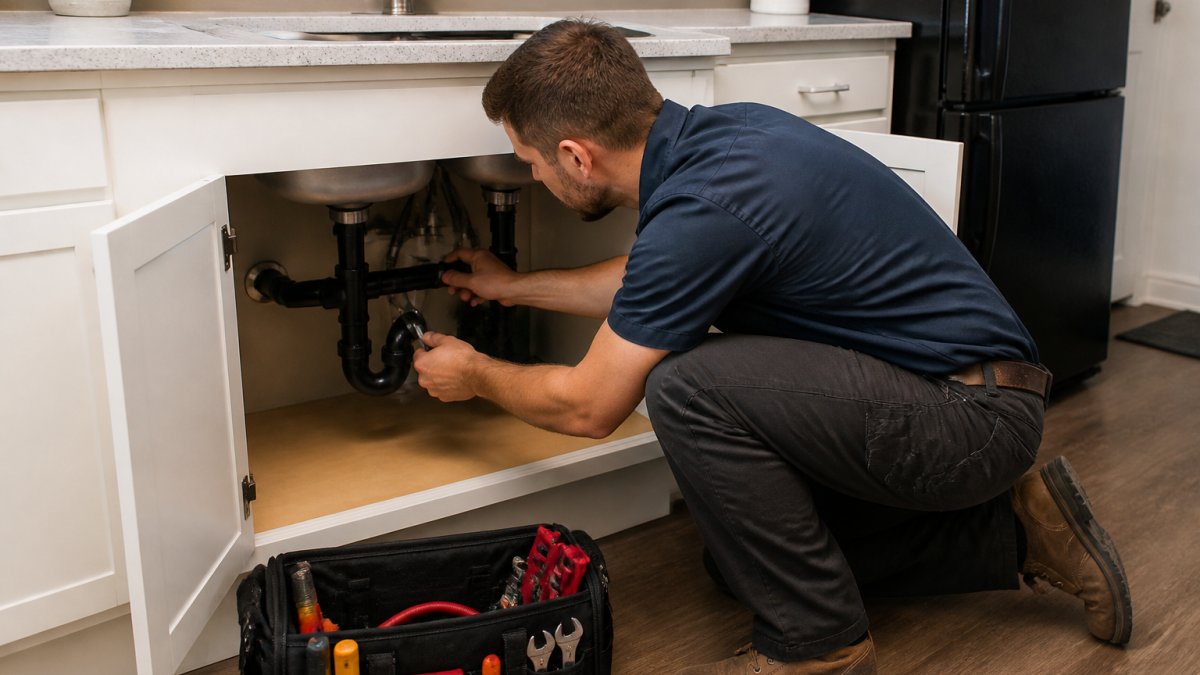
- Submit a minor request during the tour or shortly after. A slow drain or a loose cabinet handle works well.
- Note the exact time you submitted it.
- Record when you get an acknowledgment, and whether it came by email, portal, or phone.
- Track when someone schedules a visit.
- Log when the repair is completed and whether you got a confirmation.
- Note the repair quality on a second visit.
That gives you three real numbers: time to acknowledge, time to schedule, and time to resolve. Compare those against the targets the property stated. If they promised a one-day acknowledgment and took four, you've learned something valuable.
A Repeatable Walkthrough Checklist
Use this during every tour, and score each property the same way:
- Ask how requests are submitted and note the answer
- Confirm whether written acknowledgment is standard
- Get the after-hours emergency number
- Ask to see a sample work order record
- Submit one minor test request
- Record time to acknowledge
- Record time to schedule
- Record time to resolve
Score each item pass or fail. Three or more fails is your cue to keep looking.
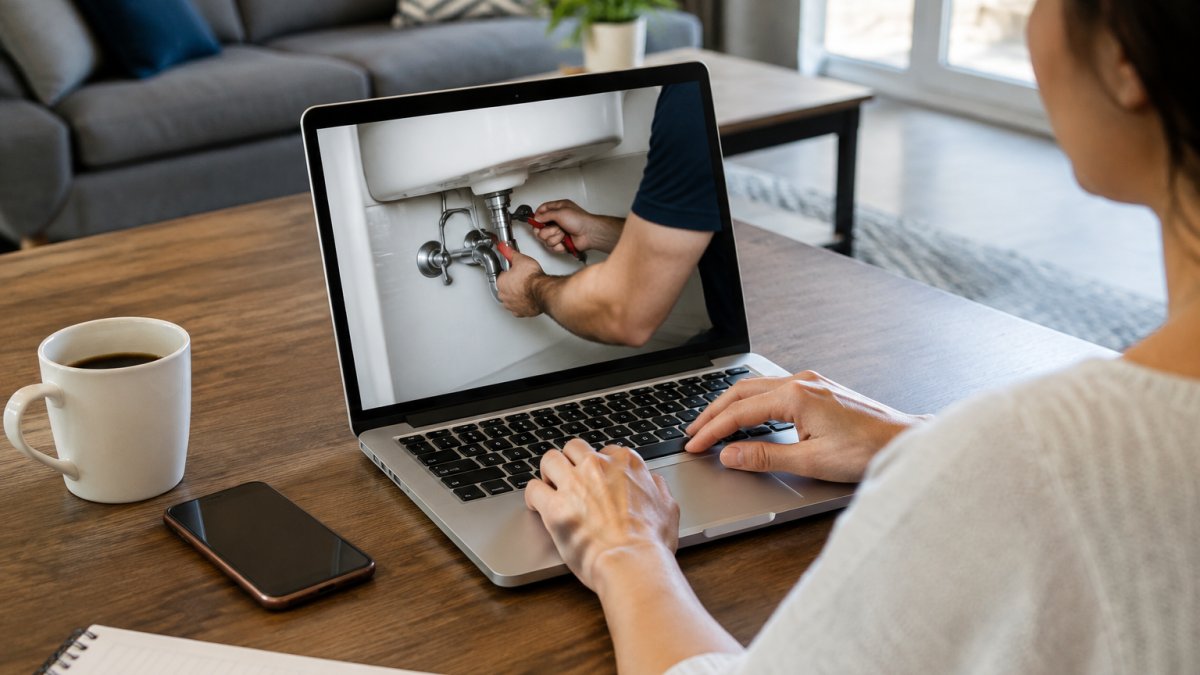
Ask the leasing agent to walk you through the resident portal on their own device. If they can't show you the request form, the tracking screen, or a sample work order, the system probably doesn't exist in any meaningful way.
Use an Apartment Maintenance Request Template to Document Everything
Good documentation protects you. Every request should include the same core details, whether you submit through an online portal, by email, or over the phone.
Use this template for every request:
Unit: [your unit number] Date and time submitted: [exact timestamp] Issue: [one clear sentence describing the problem] Location: [room and specific spot] Photos attached: [yes/no, how many] Access instructions: [when you're home, pet notes] Requested by: [your name and contact] Follow-up date: [when you'll check back]
Save a copy of every email correspondence and screenshot each portal submission. If a request goes unresolved, your records become your use. The Consumer Financial Protection Bureau resources on renting can help you understand your options if a dispute escalates.
How to Follow Up on a Maintenance Request Without Burning Bridges
Follow-up should be firm, documented, and courteous. The goal is a fixed repair, not a fight.
A practical rhythm:
- Day 1: Submit the request and save your confirmation.
- Day 2-3: If no acknowledgment, send a short email asking for a status update.
- Day 5-7: If still unresolved, call the office and reference your written request.
- Day 10+: Escalate in writing to the property manager, restating the issue and your records.
Keep every message short and factual. "Following up on work order submitted on [date] regarding [issue]. Can you confirm a scheduled visit?" works better than a long complaint. Courteous communication gets faster results, and it builds a paper trail you can rely on if things drag out.
Verifying Repair Quality and Independent Evidence After the Fix
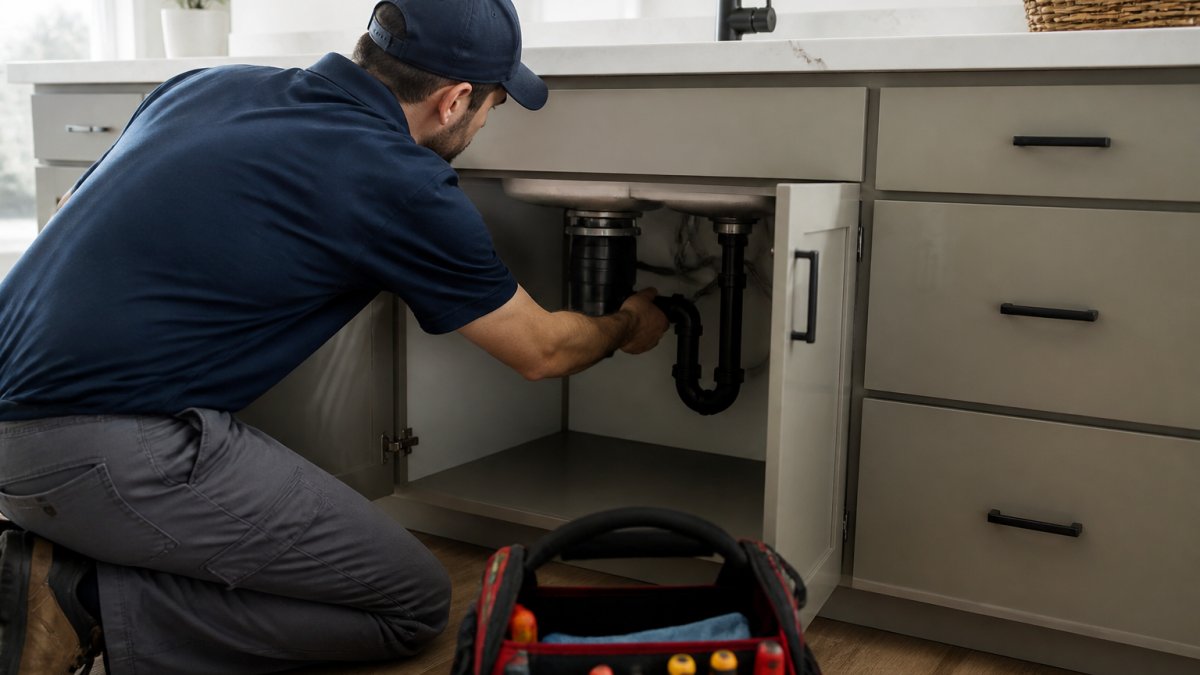
A fast repair that fails in a week isn't responsive service. Verify the work itself.
Check these after any repair:
- Does the fix actually solve the problem, or just mask it?
- Was the work area left clean and undamaged?
- Did you receive a completion confirmation in writing?
- Does the repair hold up after a few days of normal use?
If a repair fails, submit a new request referencing the original work order number.
For broader guidance on what landlords must maintain and how habitability standards work, HUD's residential maintenance guidance is a useful reference.
Our resident-first approach includes clear communication channels and structured property operations.
Frequently Asked Questions
How can I tell whether an apartment's maintenance team responds quickly?
Ask the property manager for written service standards and recent work order records, then submit a small test request during your tour or first week. Track the time from submission to acknowledgment, to scheduling, and to completion. A team that acknowledges within one business day and schedules a non-emergency repair within a few days is showing real maintenance responsiveness. If you get no written confirmation and no follow-up, treat that as a warning sign regardless of what the leasing agent promises verbally.
How long should apartment maintenance take to respond to a repair request?
There is no single federal rule, but most management companies publish internal standards: acknowledgment within 24 hours, emergency repairs same day, urgent issues within 1 to 3 days, and routine repairs within 5 to 10 days. Ask for the property's written apartment maintenance response time policy before signing. If a manager cannot state one, that alone tells you how requests are likely handled. State and local housing codes set minimum habitability standards, but they rarely specify exact repair deadlines.
What should I do if an urgent maintenance request is ignored?
Document everything in writing: the original request, the date, photos, and any follow-up emails. Send a written follow-up through the online portal and by email so there is a record. If the issue affects safety or habitability, such as no heat, a gas smell, or a sewage backup, call the emergency hotline and note the time. If the property still does not act, contact your local code enforcement office. Keep copies of all correspondence and work order records in case you need to escalate.
How do I follow up on a maintenance request without sounding aggressive?
Wait for the stated response window, then send a short, courteous email that references your work order number and restates the issue in one sentence. Attach photos if the problem has worsened. Ask for a status update and a scheduled date rather than demanding immediate action. Polite, specific follow-ups get better results than emotional ones, and they create a clean paper trail. If two follow-ups go unanswered, escalate to the property manager in writing and keep the tone professional.
Verifying maintenance responsiveness takes a little work up front, but it saves months of frustration later. Ask the right questions, run a small test request, and document everything. If you're looking for a rental community where responsive communication and reliable maintenance are part of the deal, schedule a tour with Highpoint Estate Apartments and see how our renovated one and two-bedroom homes near Fort Sill handle the details.